- The Problem That Looks Like a Solution
- What Alberta’s OHS Act Actually Requires of Supervisors
- What Box-Checking Looks Like Versus What Behavior Change Looks Like
- Five Signs Your Supervisors Are Checking Boxes
- What Box-Checking Supervision Actually Costs
- How to Develop Supervisors Who Actually Change Behavior
- What Effective Supervisor Safety Leadership Looks Like
- Your Next Step
- Summary
- Frequently Asked Questions
- Sources and Citations
- Image Credits
- Kellie Rose Ryder
- Related Posts
- Leave A Comment Cancel reply
TL;DR
A supervisor who signs the form but does not change the behavior is not managing safety — they are managing paperwork. This article covers five signs supervision has drifted into box-checking, what it costs when it does, and how to develop supervisors who create genuine field-level change that actually protects workers.
The Problem That Looks Like a Solution
Picture this: the supervisor runs the toolbox talk at 6:55 a.m. The form is completed. Twelve names are on the sign-in sheet. The crew heads to work.
By 8 a.m., nobody on that crew can recall what the toolbox talk covered. Not the topic. Not the hazard discussed. Not the control measure identified.
The supervisor did everything right on paper. The information did not land anywhere useful.
This is the box-checking problem. It is one of the most common patterns in safety programs that pass audits but still produce incidents. Supervisors are completing the required steps. Behavior is not changing. The system is running. The risk is not reducing.
The gap between compliance and conformance — covered in depth in Why Your Safety Program Passes Audits but Still Puts Workers at Risk — plays out at the supervisor level every single day. Supervisors sit at the exact point where a written program either becomes real or stays on paper. When they check boxes instead of changing behavior, the whole system drifts.
This article is about recognizing that drift — and correcting it — before it costs someone their safety.
What Alberta’s OHS Act Actually Requires of Supervisors
Under Section 4 of Alberta’s OHS Act, supervisors are legally required to take all precautions necessary to protect the health and safety of every worker under their supervision. They must ensure that workers perform work in accordance with the Act, the regulations, and the OHS Code. And they must advise workers of all known or reasonably foreseeable hazards in the area where work is being performed.
That language — all precautions necessary — is doing significant legal work. It does not say supervisors must complete the form. It says they must take all precautions necessary. A signed toolbox talk sheet is not a precaution. It is a record of a precaution that may or may not have been taken.
The CCOHS supervisor health and safety framework also emphasizes that supervisors must monitor work, remind workers to work safely, show them how to work safely, and enforce policies and procedures when necessary. Monitoring and enforcing are active responsibilities. They require presence, observation, and follow-through — not signatures.
When a supervisor treats those active responsibilities as paperwork events, the legal requirement is not being met — even if every form is complete.
What Box-Checking Looks Like Versus What Behavior Change Looks Like
The difference between these two types of supervision is not always visible from the front office. It shows up in the field.
| Box-Checking Supervisor | Behavior-Changing Supervisor |
|---|---|
| Signs the toolbox talk attendance sheet | Asks workers to name the top hazard for that day in their own words |
| Completes the inspection form on schedule | Follows up on findings from the previous week before starting the new inspection |
| Issues a corrective action to the worker | Confirms the corrective action closed and the condition has not recurred |
| Confirms workers attended the training session | Watches workers perform the task and verifies they can apply it under pressure |
| Reports the incident and notes worker error | Investigates to identify the root cause and changes the system that allowed the error |
| Tells workers to wear their PPE | Models PPE use themselves, every shift, without exception |
| Documents a near-miss in the log | Brings the near-miss to the crew, discusses what almost happened, and closes the gap |
The left column produces a clean safety record. The right column produces a safe workplace. The goal is the right column.
Five Signs Your Supervisors Are Checking Boxes
These signs are visible on site. They are also easy to rationalize away when the schedule is tight and the metrics look fine.
Sign 1 — Toolbox Talks Nobody Remembers by Noon
The toolbox talk happens every morning. The sign-in sheet is always full. But ask any worker on the crew what was discussed three hours later and the answers are vague, inconsistent, or missing entirely.
This happens when toolbox talks are treated as a daily checkbox rather than a daily communication. The supervisor reads from a prepared topic. Workers listen politely. Nobody asks a question. Everyone moves on.
A toolbox talk that does not change what workers think about or look for that day has not done its job. The form is complete. The function is not.
Sign 2 — Inspections That Keep Finding the Same Things
The inspection is completed on schedule. Findings are documented. Corrective actions are issued. The next inspection finds the same issues in the same areas.
When this pattern repeats across two or more inspection cycles, it is not a compliance failure — the inspection is happening. It is a behavior change failure. The inspection is identifying problems. Nobody is solving them. The corrective action process is producing documents, not corrections.
This is closely connected to the corrective action problem covered in How to Build a Corrective Action Process That Actually Closes Safety Gaps. Recurrence is almost always the clearest signal that supervision is not following through.

Sign 3 — Hazard Reports That Never Become Actions
Workers spot a condition. They mention it to the supervisor. The supervisor acknowledges it. Two weeks later, the condition is still there.
Or — more common than most organizations want to admit — workers stop reporting hazards entirely because nothing happened the last three times they did.
The CCOHS notes on basic safety responsibilities are clear that supervisors are responsible for acting on reported hazards, not just receiving them. When reports stop producing action, reporting stops. When reporting stops, the system loses its most important early warning signal.
Sign 4 — Workers Who Wait to Be Told Rather Than Speak Up
On a site where supervision is genuinely working, workers flag conditions without being asked. They stop a task when something does not look right. They ask questions before starting unfamiliar work.
On a site where supervision has drifted into box-checking, workers do the opposite. They wait. They assume someone else will handle it. They keep moving because stopping to raise a concern has not historically produced a useful response.
Worker behavior is a mirror of supervisor behavior. A crew that waits to be told is almost always a crew whose supervisor has trained them — unintentionally — to expect that their input does not change anything.
Sign 5 — Incident Investigations That End at ‘Worker Error’
A worker is hurt or a near-miss occurs. The investigation runs. The conclusion reads: worker failed to follow procedure.
That conclusion may be accurate. It is almost never complete.
Why did the worker fail to follow procedure? Was the procedure unclear? Was there pressure to skip steps? Was the hazard not communicated in the pre-job brief? Was the worker new to this task and not adequately supervised?
An investigation that stops at worker error has described what happened. It has not explained why — and it has not identified what needs to change so the same sequence does not repeat. The next incident is already building.
What Box-Checking Supervision Actually Costs
The costs of ineffective supervision are rarely visible in a single event. They accumulate over time, inside a program that appears to be functioning.
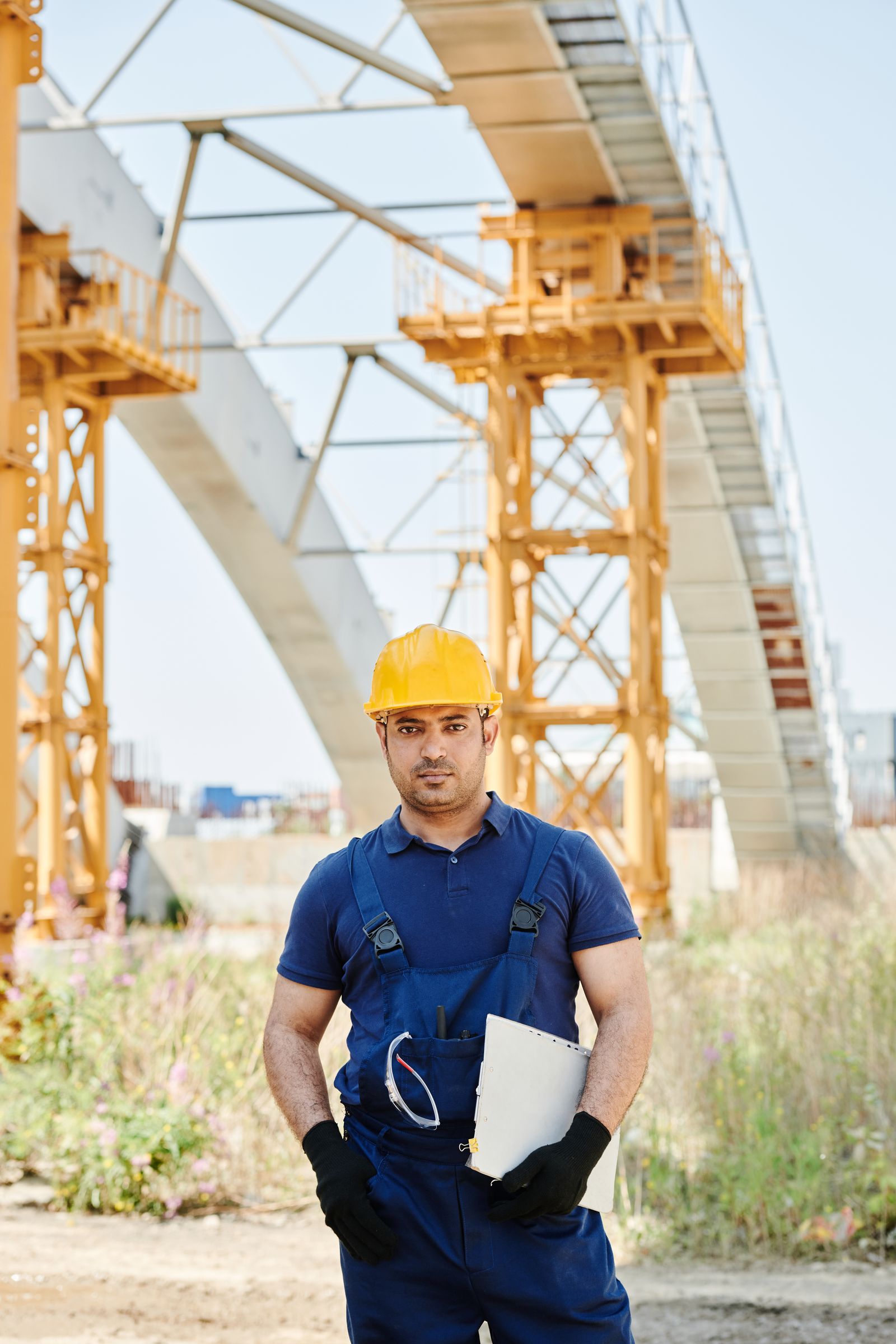
Incidents that were preventable.
Most workplace incidents have a supervisor touchpoint somewhere in the sequence — a toolbox talk that did not land, a hazard that was acknowledged but not corrected, a worker who did not feel safe raising a concern. Effective supervision is the most direct lever available for preventing incidents at the field level, particularly against a backdrop of workplace fatality statistics that show how much is riding on frontline decisions.
Legal exposure for supervisors personally.
Under Alberta’s OHS Act, supervisors are named work site parties with personal legal obligations. A supervisor who signed the form but was not present for the hazardous work, or who knew about a condition and did not act on it, is not protected by the paperwork — and Alberta’s published OHS administrative penalties have specifically named supervisors in citations tied to field-level failures. The legislation requires all precautions necessary — not all paperwork completed.
A safety culture that drifts toward silence.
When workers observe that supervisor actions do not match supervisor words, they draw a conclusion about what safety actually means on that site. That conclusion spreads. Near-miss reporting drops. Workers self-censor. The early warning system goes quiet — and the organization does not notice until something serious happens.
Audit performance that does not reflect reality.
A site where supervisors check boxes will score reasonably well in a compliance audit. The forms are there. The records are complete. The certification may be current. What the audit will not see is the gap between what the records show and what actually happens on site — the conformance gap that sits underneath a clean compliance score.
How to Develop Supervisors Who Actually Change Behavior
Supervisor behavior does not change through awareness. It changes through expectation, support, and measurement.
Here is what organizations that develop strong supervisors do consistently.
| What to Measure | Box-Checking Signal | Behavior-Changing Signal |
|---|---|---|
| Toolbox talk quality | Form is signed and filed on time | Workers can describe the day’s hazard and control in their own words when asked |
| Inspection follow-up | New inspection is completed on schedule | Findings from the previous cycle are verified closed before new ones are logged |
| Hazard reporting rate | Low — workers rarely submit | High and rising — workers flag conditions frequently because they see results |
| Corrective action age | Several open items older than 30 days | Most items close within 7–14 days with evidence of verification |
| Near-miss reporting | Rare, often filed only after a formal incident | Regular, reviewed in toolbox talks, used to update procedures |
| Incident investigation | Conclusions frequently cite worker error as root cause | Conclusions identify system or process factors, produce procedure changes |
The pattern in the right column does not come from more training alone. It comes from supervisors who understand what their role actually requires — and from organizations that measure the right things.
Build Competency — Not Just Compliance Knowledge
Supervisors need to know the rules. But knowing the rules is not the same as knowing how to apply them when a crew is behind schedule and a worker is pushing back. Competency-based supervisor development includes scenarios, field coaching, and feedback on actual decisions — not just a course completion certificate.
Measure Field Behavior — Not Just Form Completion
If the only metric you track for supervisor safety performance is whether forms are filed on time, you are measuring activity. Supervisor observations, corrective action closure rates, near-miss reporting frequency, and recurrence of findings are all performance metrics. Build them into your supervisor evaluation process.
Close the Feedback Loop Publicly
When a worker reports a hazard and it gets fixed, tell the crew. When a near-miss leads to a procedure change, explain the connection at the next toolbox talk. When a supervisor catches a condition before it causes harm, acknowledge it. The feedback loop between reporting and action is what builds a crew’s trust that the system is worth using.
Make Supervisor Safety Coaching a Regular Practice
Walking the site with a supervisor — not to inspect them, but to coach alongside them — is one of the most effective development tools available. It surfaces habits that formal evaluations miss and builds the kind of practical skill that shapes field behavior.
What Effective Supervisor Safety Leadership Looks Like
Effective safety supervision does not look dramatically different from the outside. It shows up in small, consistent behaviors that accumulate into a very different kind of site.
Think about what it looks like when a supervisor genuinely leads safety on a crew.
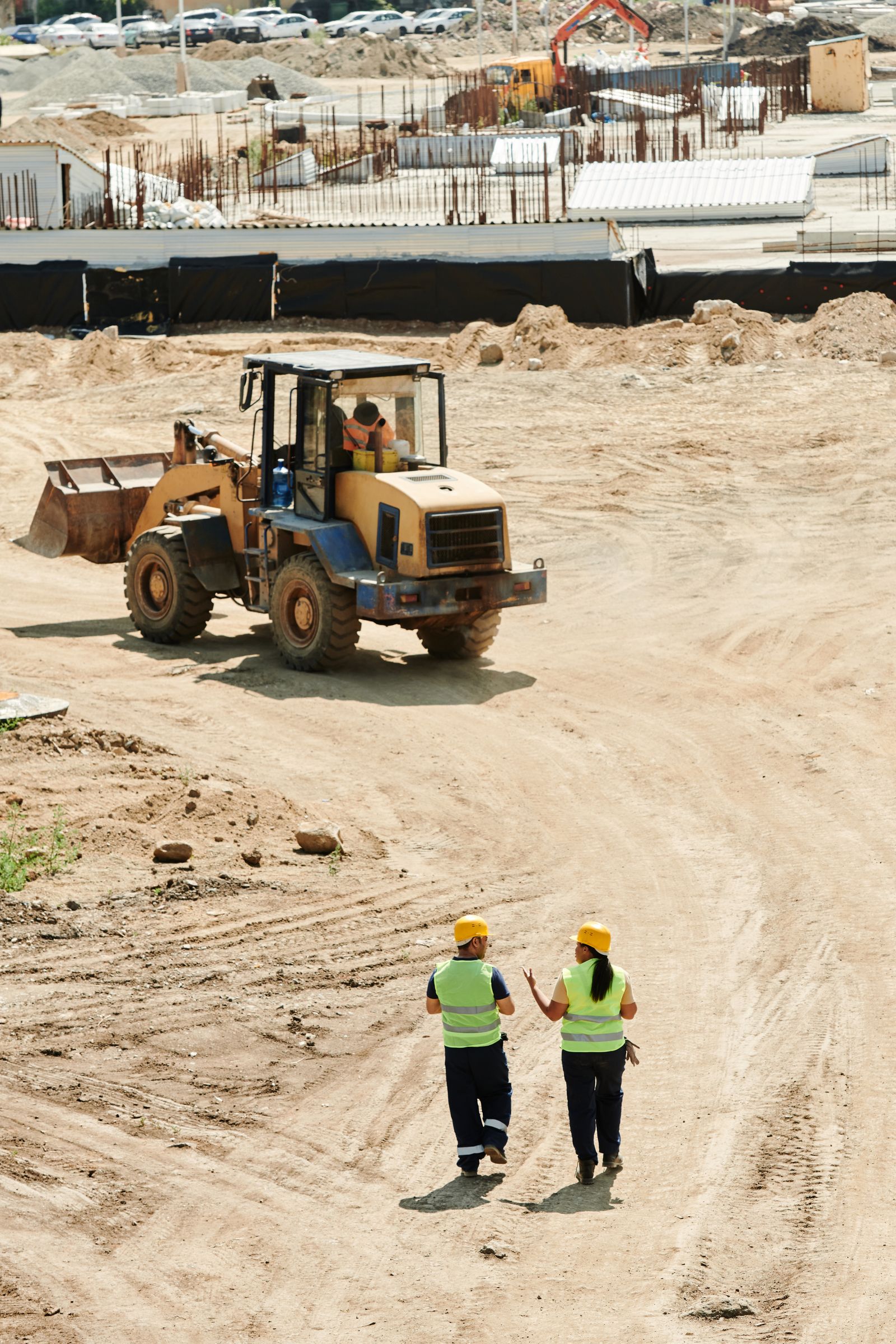
They arrive before the crew starts. They walk the area. They know what changed since yesterday — a new crew arriving, a change in task sequence, a weather condition that affects the ground state. They bring that specific information to the toolbox talk. They ask one or two questions to confirm it landed. They start the shift with the crew knowing something they did not know before.
Later that morning, a worker flags a condition. The supervisor goes to look at it. Within the hour, it is either corrected or formally tagged and communicated to the next shift. The worker who reported it knows it was received.
At the end of the shift, the supervisor knows what happened on site that day — not from a form, from being present. The form reflects what they observed. Not the other way around.
This is not a heroic or unusual standard. It is the baseline of what the OHS Act requires and what workers on every site deserve. But it requires organizations to develop, support, and measure their supervisors against what actually happens in the field.
If you want to understand how this connects to what auditors look for when they evaluate a safety program — and where the gap between audit performance and field reality tends to live — the next article in this series covers that directly: What COR and ISO 45001 Auditors Actually Look For.
PRO TIPS
Practical steps to shift supervisors from box-checking to behavior change:
- Ask three workers per week what the most recent toolbox talk covered — randomly, informally, without warning. The answers tell you more than the sign-in sheet
- Add a ‘verified closed’ step to every corrective action — not just a status change, a name, a date, and evidence
- Track near-miss reporting by supervisor. Low rates are not good news — they are a signal the feedback loop is broken
- Walk the site with one supervisor per month as a coaching observation — not an audit, a conversation about what they notice and why
- Build one specific behavioral expectation into each supervisor’s performance review — observation quality, corrective action closure rate, or near-miss response time
Your Next Step
Supervisor development is one of the areas where the gap between what a safety program says and what it actually produces is most visible — and most fixable.
Most supervisors are not checking boxes because they do not care. They are checking boxes because nobody has defined what good supervision looks like, measured it, or given them the tools to do it differently.
The Fortriss AAA Safety Audit includes a direct review of supervisor competency, training quality, corrective action follow-through, and field observation practices. The assessment tells you exactly where your supervisor behavior is matching your safety program — and where it is not.
Book a 20-minute call at fortriss.ca. Leave with two or three specific actions your supervisors can take in the next 30 days to shift from box-checking to real field safety leadership.
Summary
A supervisor who completes the required paperwork but does not change worker behavior is meeting a compliance standard — not a safety standard. The two are not the same.
The five signs supervision has drifted into box-checking: toolbox talks nobody remembers, inspections that keep finding the same things, hazard reports that produce no action, workers who wait to be told rather than speak up, and incident investigations that end at worker error.
The cost of box-checking supervision accumulates quietly — in preventable incidents, personal legal exposure for supervisors, a culture that drifts toward silence, and an audit record that does not reflect field reality.
The shift from box-checking to behavior change requires three things: competency development grounded in realistic scenarios, performance metrics that measure field behavior not form completion, and a feedback loop that connects worker reporting to visible outcomes.
At Fortriss, supervisor behavior and coaching is one of the 12 service areas we review in every AAA Safety Audit. The gap between supervision on paper and supervision in practice is one of the most consistent — and most correctable — exposures in field safety today.
Frequently Asked Questions
What does Alberta’s OHS Act require of supervisors?
Under Section 4 of the OHS Act, supervisors must take all precautions necessary to protect every worker under their supervision, ensure workers perform work in accordance with the Act and OHS Code, and advise workers of all known or reasonably foreseeable hazards. These are active obligations — not recordkeeping requirements. A signed form does not satisfy the legal standard if the actual precaution was not taken.
What is the difference between a supervisor who checks boxes and one who changes behavior?
The box-checker completes the required steps: the form is signed, the inspection is done, the training is recorded. The behavior-changer asks whether the step actually worked: did the crew understand the hazard, was the finding actually corrected, can the worker apply the training under pressure? The output of box-checking is a clean record. The output of behavior change is a safer site.
Why do supervisors fall into box-checking habits?
Usually because the organization measures box-checking. If the only performance metric that matters is form completion on time, supervisors optimize for form completion. If the toolbox talk is never evaluated for whether it changed anything, supervisors learn that its purpose is the signature — not the conversation. Organizations get the supervisor behavior they measure and reward.
How do I know if my supervisors are developing genuine safety leadership?
Ask workers. Randomly. Informally. What was the toolbox talk about this morning? What would you do if you noticed a condition that looked unsafe? When was the last time a hazard you reported got fixed? The answers are more accurate than any inspection score. Near-miss reporting rates are also a reliable signal — sites with genuine safety leadership report more near-misses, not fewer, because workers trust the system enough to use it.
Can supervisor behavior be measured and tracked?
Yes — through the right indicators. Corrective action closure rates by supervisor, near-miss reporting frequency by crew, recurrence of inspection findings, toolbox talk retention checks, and worker observation quality scores all measure field behavior rather than paperwork. These metrics are more work to collect than form-completion rates. They are also far more predictive of incident frequency.
How does Fortriss approach supervisor development in a safety assessment?
The Fortriss AAA Safety Audit reviews supervisor competency records, training quality, corrective action follow-through, and the gap between documented supervision and actual field behavior. Findings are translated into a coaching and development plan — not a course catalogue — that addresses the specific behavioral gaps identified on your sites.
Sources and Citations
- Government of Alberta — Obligations of Work Site Parties. Supervisor legal duties under Section 4 of the OHS Act. https://www.alberta.ca/obligations-work-site-parties
- Alberta OHS Act — Part 1: General Obligations (Search OHS Laws). Full text of Section 4 supervisor obligations and related provisions. https://search-ohs-laws.alberta.ca/legislation/occupational-health-and-safety-act/part-1-general-obligations/
- CCOHS — Health and Safety for Supervisors in Canada. Supervisor duties including monitoring, enforcing, and hazard communication. https://www.ccohs.ca/products/courses/health-safety-awareness-supervisors
- CCOHS — Health and Safety Legislation in Canada: Basic Responsibilities. Framework of supervisor responsibilities across Canadian jurisdictions. https://www.ccohs.ca/oshanswers/legisl/legislation/responsi.html
- Government of Alberta — OHS Administrative Penalties. Supervisor and employer penalty examples from 2024–2025. https://www.alberta.ca/ohs-administrative-penalties
- Alberta WCB — 2024 Workplace Fatality Statistics. Provincial fatality data referenced for field safety context. https://open.alberta.ca/publications/workplace-injuries-illnesses-and-fatalities
- Fortriss Safety Solutions — AAA Safety Audit. Compliance to Conformance assessment including supervisor behavior review. fortriss.ca
All external links verified as of May 2025. Alberta government sources are updated continuously.
Image Credits
- Hero image: Photo by Mikael Blomkvist on Pexels
- Image 2 (toolbox talk retention): Photo by Mikael Blomkvist on Pexels
- Image 3 (inspection documentation): Photo by Mikael Blomkvist on Pexels
- Image 4 (supervisor coaching walk): Photo by Mikael Blomkvist on Pexels
Kellie Rose Ryder
Founder and CEO, Fortriss Safety Solutions Inc.
Kellie Rose Ryder is an occupational health, safety, and environmental systems professional focused on closing the gap between written requirements and how work is performed in the field. As the founder and CEO of Fortriss Safety Solutions Inc., she helps organizations build practical safety systems that protect workers, support compliance, and hold up under real operating conditions. (LinkedIn)
Her work connects assessments, procedures, training, contractor controls, field verification, and ongoing performance measurement. Through Fortriss, Kellie helps employers identify hidden safety gaps, turn findings into clear actions, and create systems aligned with standards such as COR, ISO 45001, CSA, and applicable NFPA requirements. (Fortriss Safety Solutions)
Kellie’s approach is direct and practical: safety should do more than satisfy paperwork requirements. It should guide daily decisions, strengthen workplace culture, reduce operational risk, and provide reliable evidence that people and processes are protected. (Fortriss Safety Solutions)
Leave A Comment